
The Role of Community Colleges in Building STEM Awareness
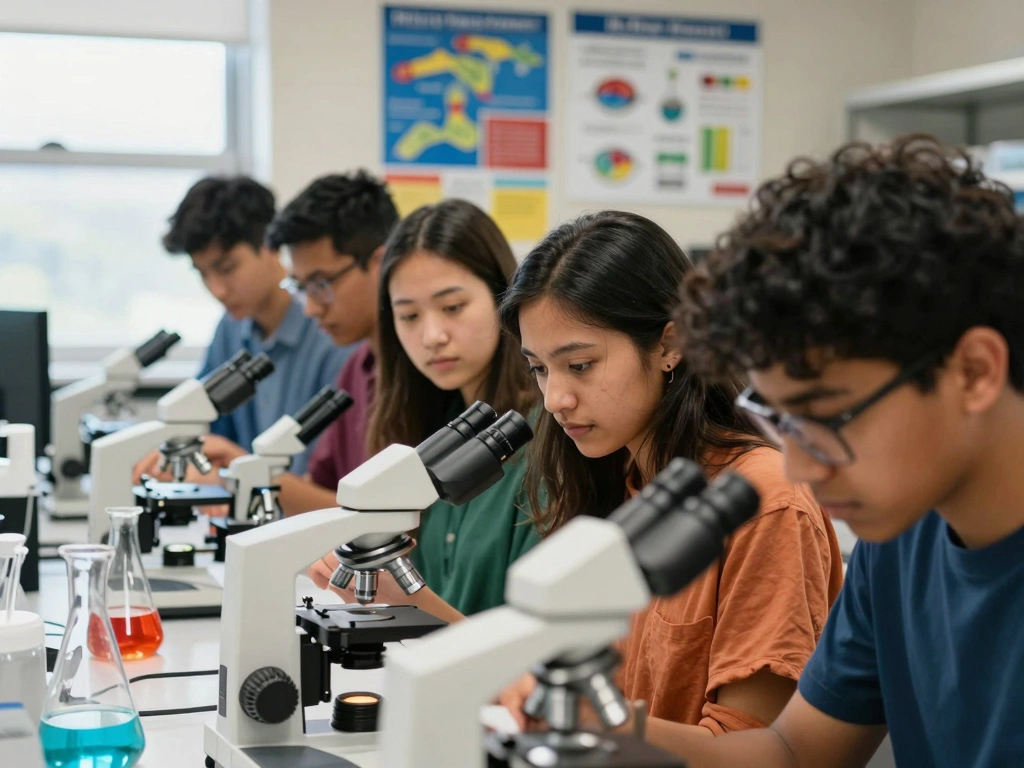
Introduction to STEM Programs at Community Colleges
Community colleges play a pivotal role in the educational landscape of the United States, particularly in the fields of science, technology, engineering, and mathematics (STEM). As institutions that cater to a diverse student population, community colleges offer a range of STEM programs designed to provide foundational knowledge and skills essential for further academic pursuits in four-year universities. According to the American Association of Community Colleges, over 10 million students are enrolled in community colleges nationwide, with a significant percentage pursuing STEM degrees.
Many community colleges have developed comprehensive STEM curricula that align with the needs of the workforce and the expectations of four-year institutions. Programs such as associate degrees in biology, computer science, and engineering technology not only serve as gateways to advanced studies but also equip students with practical skills that are highly valued in today’s job market. The National Science Foundation reports that community colleges produce nearly half of all STEM graduates in the U.S., highlighting their crucial role in strengthening the STEM workforce pipeline.
Engagement Strategies for Underrepresented Groups
To strengthen the STEM transfer pathways, community colleges implement targeted engagement strategies aimed at underrepresented groups, including women, minorities, and low-income students. Programs such as STEM-specific mentoring, scholarships, and workshops are designed to create an inclusive environment that encourages participation in STEM fields.
For instance, the STEM Talent Expansion Program (STEP) has been instrumental in increasing the number of underrepresented students in STEM disciplines at community colleges. By providing financial support and resources, STEP has helped to boost enrollment in STEM programs by 20% over the past five years. Additionally, outreach initiatives that connect with middle and high school students through STEM fairs and interactive workshops foster early interest in these fields.
Partnerships with Local High Schools
Community colleges often establish partnerships with local high schools to create a seamless transition for students interested in pursuing STEM degrees. These collaborations may include dual-enrollment programs, where high school students can earn college credits for STEM courses, effectively reducing the time and cost required to obtain a degree.
For example, the College Now program in New York City allows high school students to take college-level STEM courses while still completing their high school education. This initiative has led to a significant increase in the number of students who continue their education in STEM fields after graduation. Such partnerships not only bolster the talent pool for community colleges but also serve to demystify the college experience for young learners.
Curriculum Alignment for Seamless Transitions
Developing Transfer-Friendly Course Sequences
To facilitate a smooth transition from community colleges to four-year institutions, it is essential to develop transfer-friendly course sequences. This involves aligning the curriculum with the requirements of four-year universities, ensuring that students can seamlessly transfer their credits without losing time or resources.
For instance, the California Community Colleges system has implemented the Associate Degree for Transfer (ADT) program, which guarantees that students who complete an ADT in a designated STEM field can transfer to California State University campuses with junior standing. This initiative has led to a 25% increase in transfer rates among STEM students within the state, showcasing the effectiveness of well-structured course sequences.
Articulation Agreements with Universities
Articulation agreements between community colleges and four-year universities are vital for ensuring that students understand the transfer process and the specific requirements for their intended majors. These agreements outline which courses are transferable and how they apply to degree requirements at the receiving institution.
For example, the Texas Higher Education Coordinating Board has established a comprehensive articulation agreement framework that allows for the seamless transfer of STEM credits among its community colleges and universities. This framework has significantly reduced the number of credits that students lose during the transfer process, thereby enhancing their chances of success in completing their degrees.
Faculty Collaboration Between Institutions
Collaboration between faculty at community colleges and universities is another key factor in building STEM transfer pathways. Joint workshops, curriculum development meetings, and faculty exchange programs can help ensure that community college instructors are aligned with the expectations and standards of four-year institutions.
The National Science Foundation’s Advanced Technological Education (ATE) program encourages such collaborations by funding projects that bring together community college and university faculty to develop innovative STEM curricula. These initiatives have resulted in improved teaching practices and a more cohesive educational experience for students transitioning from community colleges to universities.
Support Services Enhancing Student Success
Academic Advising Tailored to STEM Students
Effective academic advising is crucial for STEM students navigating their educational journey. Community colleges are increasingly offering specialized advising services that focus on the unique needs and challenges faced by STEM students. Advisors are trained to provide insights on course selection, transfer options, and career pathways.
The University of California’s STEM Transfer Pathway initiative provides an excellent model, where dedicated advisors work with community college students to create personalized academic plans that align with their transfer goals. This tailored approach has shown to improve retention rates among STEM students, with a reported 15% increase in the number of students successfully transferring to four-year institutions.
Mental Health and Tutoring Resources
Recognizing the demanding nature of STEM coursework, community colleges also provide mental health and tutoring resources to support student well-being and academic success. Many institutions have established tutoring centers specifically for STEM subjects, where students can receive assistance from peer tutors and faculty.
For example, the STEM Learning Center at the Community College of Philadelphia offers tutoring, study groups, and workshops aimed at enhancing students’ skills in mathematics and science. Additionally, mental health counseling services are available, which are essential for helping students manage stress and maintain a healthy work-life balance.
Research Opportunities for Community College Students
Engaging community college students in research projects is a powerful way to enhance their educational experience and prepare them for transfer to four-year institutions. Many community colleges have started to develop partnerships with local universities and businesses to create research opportunities that allow students to participate in hands-on projects.
The Research Experience for Undergraduates (REU) program, funded by the National Science Foundation, has been adapted by several community colleges to provide students with the chance to work alongside faculty and graduate students on research initiatives. These opportunities not only enhance students’ resumes but also provide them with valuable insights into the research process and potential career paths in STEM fields.
Innovative Programs and Initiatives
STEM Bridge Programs for Transitioning Students
STEM bridge programs are designed to help students transition smoothly from community colleges to four-year universities. These programs often include intensive summer courses, workshops, and mentoring to prepare students for the rigors of university-level coursework.
The Bridge to the Baccalaureate program, for example, serves community college students in the San Diego area, offering a structured pathway that includes academic support, counseling, and a cohort model that fosters peer connections. Students participating in this program have seen a 30% increase in their transfer rates compared to those not enrolled in such initiatives.
Internship and Co-op Opportunities in Local Industries
Partnerships with local industries to provide internships and cooperative education (co-op) opportunities are crucial for enhancing the employability of community college STEM graduates. These experiences allow students to gain practical skills and make connections in their chosen fields.
For instance, the Internships in Science and Engineering (ISE) program at the City College of New York connects students with internships in STEM-related industries, providing valuable work experience that enhances their resumes and prepares them for future employment. This initiative has successfully placed over 500 students in internships, with a 70% job placement rate post-graduation.
STEM Competitions and Extracurricular Activities
Participation in STEM competitions and extracurricular activities is another way community colleges can enhance student engagement and skills development. These competitions not only foster teamwork and problem-solving abilities but also provide students with opportunities to showcase their talents.
The Science Olympiad and Robotics competitions hosted by various community colleges have attracted significant student participation, leading to increased interest in STEM disciplines. Community colleges that actively promote these events have reported higher retention rates among participants, demonstrating the impact of hands-on experiences in fostering a lasting interest in STEM fields.
Measuring Success: Outcomes of STEM Transfers
Tracking Transfer Rates to Four-Year Institutions
Measuring the success of community colleges in strengthening STEM transfer pathways involves tracking transfer rates to four-year institutions. Many community colleges have implemented systems to monitor these rates and assess the effectiveness of their programs.
For example, the Florida College System has documented a transfer rate of 42% for STEM students, significantly higher than the national average. By analyzing data and identifying trends, community colleges can continuously improve their strategies for supporting STEM transfers.
Evaluating Job Placement and Career Advancement
In addition to tracking transfer rates, evaluating job placement and career advancement outcomes for STEM graduates is essential for assessing the impact of community colleges. Many institutions conduct follow-up surveys to gather data on employment status, job satisfaction, and career progression.
The STEM Employment Outcomes report from the Virginia Community College System indicates that within one year of graduation, 85% of STEM graduates found employment in their field, with an average starting salary of $60,000. This data underscores the importance of community colleges in preparing students for successful careers in STEM.
Longitudinal Studies on STEM Graduates’ Success
Longitudinal studies that track the success of STEM graduates over time provide valuable insights into the long-term impact of community colleges on students’ career trajectories. These studies can reveal how effectively community colleges prepare students for further education and employment in STEM fields.
The National Center for Education Statistics (NCES) has conducted studies showing that community college graduates who transfer to four-year institutions often perform as well, if not better, than their peers who start at universities. This finding reinforces the notion that community colleges are not only critical for access but also for the success of STEM students in higher education and beyond.